 English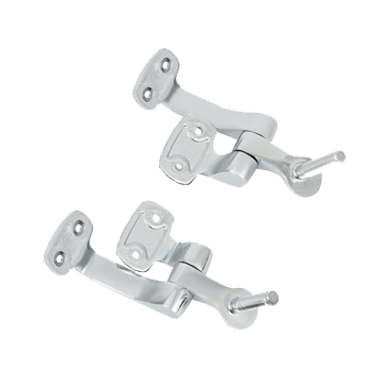
×
Search
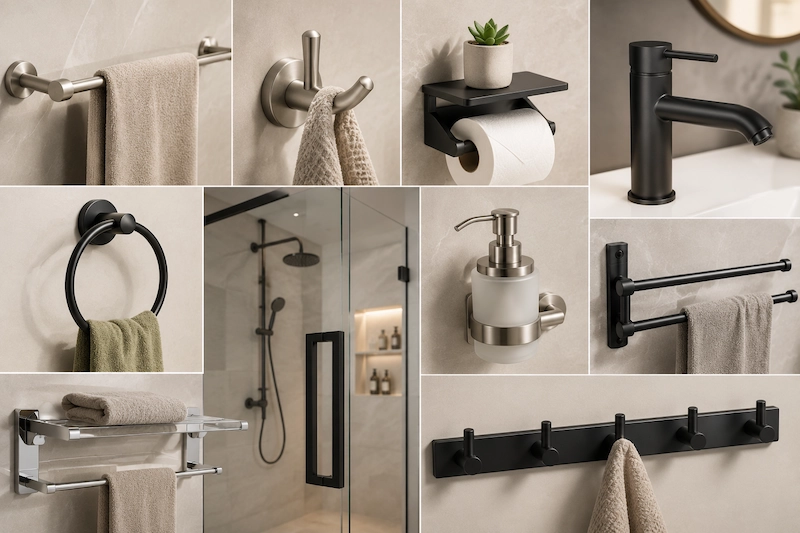
Not all bathroom upgrades require a full renovation budget or a contractor on speed dial. Some of the most impactful changes come from swapping out small hardware components — the fittings and fixtures you interact with every day but rarely think about until they fail.
Drawing from years of supplying bathroom hardware to homeowners, contractors, and hospitality projects, here are the ten upgrades that deliver the most noticeable improvement for the least effort and cost.
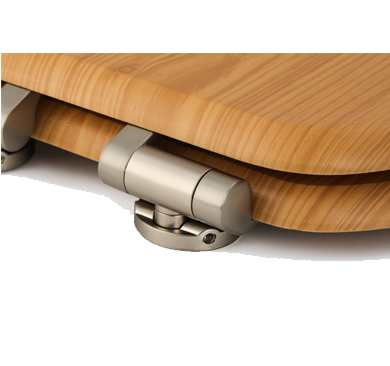
Toilet seat hinges are one of the most frequently used and most commonly overlooked pieces of bathroom hardware. A loose, rusty, or broken hinge makes the entire toilet feel cheap and unsanitary — and it's a problem that costs under $25 to fix.
Stainless steel toilet hinges — the best all-around choice for durability and corrosion resistance. Grade 304 stainless withstands years of moisture exposure without rusting. Ideal for family bathrooms, rental properties, and commercial restrooms.
Plastic toilet seat hinge options — budget-friendly and perfectly adequate for guest bathrooms or temporary installations. Modern engineering plastics resist cracking better than older generations, and they're naturally immune to corrosion.
Brass toilet seat hinge fittings — the premium choice for traditional or luxury bathrooms. Solid brass develops character over time and pairs beautifully with heritage-style fixtures.
Most toilet seat hinges follow standard mounting patterns. Before ordering, measure the distance between the two mounting holes on your toilet bowl (center to center) and note whether your seat uses top-fix or bottom-fix bolts. This five-minute measurement step prevents the most common ordering mistake.
Toilet seat hinges plastic L shaped — designed for toilet seats where the hinge pins sit at a right angle to the mounting posts. Common on European-style toilets and certain compact models. If your current hinge has this configuration, make sure to specify L-shaped when ordering replacements rather than assuming all hinges are universal.
If your toilet seat still slams shut, this single upgrade changes the daily experience of your bathroom. Soft-close (also called slow-close or damper) mechanisms use hydraulic dampers inside the hinge to lower the seat and lid gently over 3–5 seconds.
Prevents pinched fingers — important for households with young children
Reduces impact stress on the ceramic toilet bowl, which prevents micro-cracks at the mounting points
Extends the life of the seat itself by eliminating the shock of repeated slamming
Many stainless steel toilet seat hinge products now include built-in soft-close dampers
The soft-close mechanism is integrated into the hinge, so this upgrade often coincides with hinge replacement — making it an efficient two-for-one improvement.
The flush handle is touched every time the toilet is used, yet most builders install the cheapest option available. Upgrading to a solid metal flush handle (or a modern dual-flush button) improves both the tactile experience and the reliability of the flushing mechanism.
Stainless steel handles resist corrosion and match updated hinge hardware
Brass handles complement traditional bathroom schemes
Chrome-plated options offer a lower-cost entry point if the handle is in a relatively dry location
For toilets with concealed cisterns, a modern push-button plate in a satin or matte finish can transform the look of the entire wall area behind the toilet.
There's a surprising amount of engineering that separates a good towel bar from a bad one. The difference isn't just aesthetics — it's whether the bar stays attached to the wall after six months of daily use.
Solid metal construction (not hollow tubes that dent and bend)
concealed mounting brackets that distribute weight across a wider wall area
Adequate projection from the wall to allow thick towels to dry properly
Stainless steel or brass for humid bathrooms; avoid painted finishes that chip
The most common failure point is the wall anchor, not the bar itself. For drywall installations, use toggle bolts or heavy-duty anchors rated for at least 50 pounds — a wet bath towel is heavier than most people realize.
Bathroom vanity cabinets are often fitted with basic plastic or painted knobs that look dated within a few years. Replacing them with coordinated metal hardware is one of the fastest visual upgrades possible — most cabinet pulls can be swapped with just a screwdriver.
Match your cabinet hardware finish to your dominant bathroom metal for a pulled-together look:
| Dominant Bathroom Metal | Recommended Cabinet Hardware |
|---|---|
| Chrome / brushed nickel | Satin nickel or polished chrome pulls |
| Stainless steel | Brushed stainless or satin nickel |
| Brass / gold | Polished or satin brass pulls |
| Mixed metals | Matte black (works as a neutral) |
Standard pull spacing (3-inch, 96mm, or 128mm centers) covers the majority of vanity cabinets, but always measure before ordering.
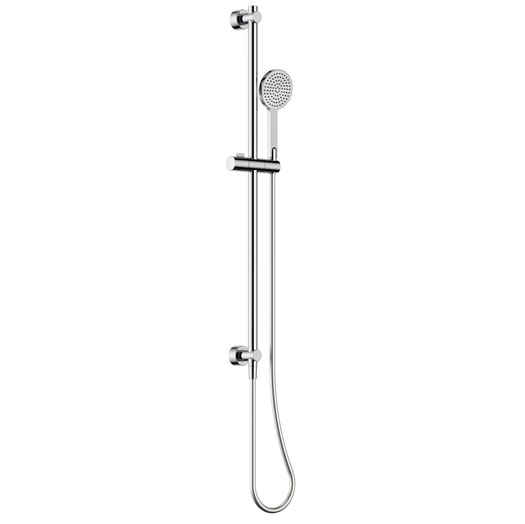
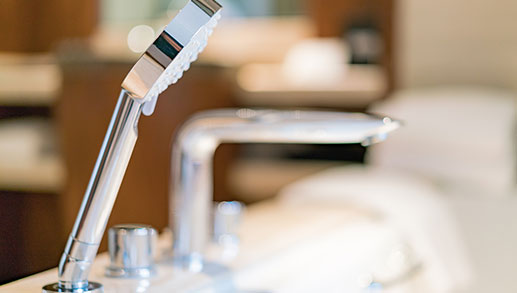
This is the upgrade most people notice first. A quality showerhead transforms the daily shower experience, and the installation typically requires only an adjustable wrench and some thread seal tape.
Flow rate: Look for 1.8–2.5 GPM for a satisfying shower without wasting water
Spray patterns: At minimum, a full-coverage pattern and a concentrated massage pattern
Material: Stainless steel or brass body with silicone nozzles (easy to descale by rubbing)
Arm length: A longer shower arm (12–16 inches) creates more space and a better angle for taller users
Avoid all-plastic showerheads — they crack at the thread connections and don't last. A stainless steel or brass-bodied showerhead paired with a stainless steel toilet seat hinge creates consistent hardware quality throughout the bathroom.
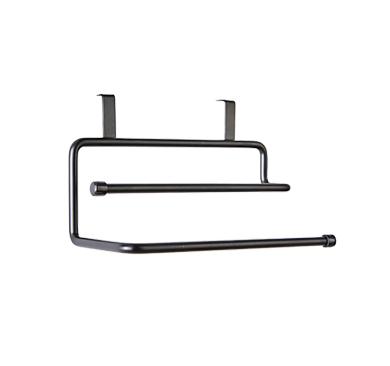
Where do wet towels go when the towel bar is full? Most households end up draping towels over the shower door, the toilet tank, or a nearby chair. A simple over-door hook rack or a wall-mounted hook strip solves this problem for under $20.
Over-door hooks: Zero installation required, but check that the door has enough clearance above the hinge pin
Wall-mounted hooks: Use proper anchors — each loaded hook can carry 10–15 pounds of wet towel
Placement: Install within arm's reach of the shower, ideally at a height that keeps towels off the floor
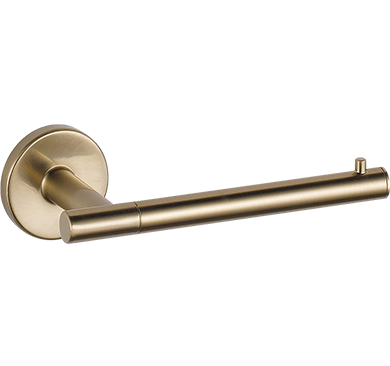
The spring-loaded toilet paper holder is a minor frustration that compounds over years of daily use. Upgrading to one of these designs eliminates the constant battle with the spring bar:
Spring-free post holders: The roll slides on and off a fixed post — no spring bar to squeeze and no parts to lose
Recessed holders: Built into the wall cavity, these save space and look much cleaner in small bathrooms
Freestanding holders: Ideal for bathrooms where wall mounting isn't practical or where you want the flexibility to move the holder
Match the holder finish to your other bathroom metals for a cohesive look.
A single robe hook mounted behind the bathroom door or on an adjacent wall provides a dedicated spot for bathrobes, changing clothes, or a third towel. This is a five-minute install that eliminates the common habit of draping clothes over the shower glass or towel bar.
Choose a hook rated for at least 20 pounds and made from solid metal (stainless steel or brass) rather than a thin stamped plate. The difference in rigidity and feel is immediately noticeable.
If your toilet seat wobbles even slightly, the culprit is almost always the mounting bolts — not the hinge itself. Standard toilet seat bolts are typically made from soft plastic or thin brass that compresses and loosens over time.
Replacement bolt kits in stainless steel or nylon with metal threads cost just a few dollars and solve wobble permanently:
Stainless steel bolts with rubber grommets grip the ceramic without cracking it
Bottom-fix bolts with wing nuts allow hand-tightening from below the bowl
Top-fix expanding bolts work for toilets where you can't access the underside
This upgrade pairs naturally with replacing the hinge itself. When you install new toilet seat hinges plastic or stainless steel toilet hinges, use quality bolts at the same time for a complete, wobble-free result.
If you're planning to tackle multiple upgrades, here's the recommended order based on impact, cost, and effort:
| Priority | Upgrade | Cost | Time | Impact |
|---|---|---|---|---|
| 1 | Toilet seat hinges + soft-close | $15–40 | 15 minutes | High |
| 2 | Showerhead replacement | $25–80 | 20 minutes | High |
| 3 | Flush handle/button | $10–30 | 10 minutes | Medium |
| 4 | Towel bars/hooks | $15–50 | 30 minutes per bar | Medium |
| 5 | Cabinet hardware | $20–60 | 5 minutes per pull | Medium |
| 6 | Hinge bolts and fixings | $5–10 | 10 minutes | Medium |
| 7 | Door hook/towel rack | $10–25 | 10 minutes | Low–Medium |
| 8 | Toilet paper holder | $10–30 | 10 minutes | Low–Medium |
| 9 | Robe hook | $8–20 | 5 minutes | Low |
| 10 | Matching hardware coordination | Varies | Varies | Visual cohesion |
Check your current hinge configuration. If the hinge pins are perpendicular to the mounting posts, you need toilet seat hinges plastic L shaped or metal L-shaped hinges. If the pins are parallel to the posts, standard straight hinges will work. Measure the center-to-center distance between the two mounting holes on your toilet bowl (typically 140mm–170mm) and match this to the product specifications.
In many cases, yes. Universal soft-close stainless steel toilet seat hinge kits are designed to fit standard toilet seats. You keep your existing seat and replace only the hinge assembly. Check that the new hinge pin diameter matches your seat's hinge holes.
For most residential bathrooms, stainless steel toilet hinges provide the best value. Solid brass is worth the premium if you're matching existing brass fixtures, working on a heritage restoration, or installing in a high-end bathroom where the warm metallic tone is part of the design intent.
Replacing worn or broken toilet seat hinges plastic or metal hinges with a quality stainless steel soft-close set delivers the most noticeable improvement per dollar spent. It eliminates seat wobble, stops slamming, and makes the entire toilet feel substantially more solid and hygienic.
Every item on this list can be installed without professional help and most require nothing more than a screwdriver and an adjustable wrench. The cumulative effect of completing even half of these upgrades transforms a bathroom from feeling neglected to feeling intentionally maintained.
For reliable, specifiable bathroom hardware — from plastic toilet seat hinge replacements to premium brass toilet seat hinge options — explore the full Likegro product range. Whether you're upgrading a single bathroom or outfitting a multi-unit project, the right hardware choices make a difference that users notice every single day.
Do you have questions or comments about any of our bathroom hardware & slow close toilet seat? We want to hear from you.
Suite 2206, No. 888 North Sichuan Road, Shanghai, 200080, China