 English
×
Search
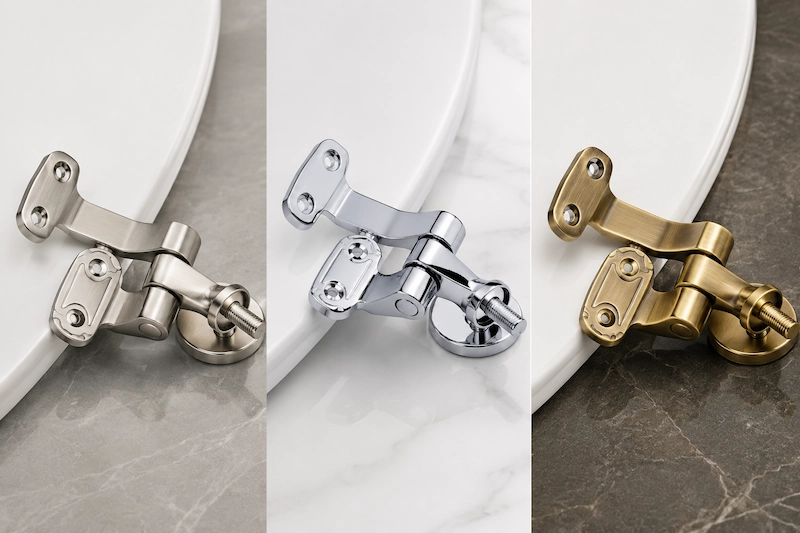
When replacing toilet seat hinges, the material you choose determines how long the fittings last, how they look after years of use, and whether they survive the constant moisture and cleaning chemicals in a bathroom environment. Stainless steel, chrome-plated, and brass are the three most common options on the market — and each one serves a different purpose.
This guide breaks down the real differences between these three materials so you can make the right call for your specific situation, whether you're a homeowner doing a quick repair or a contractor specifying hardware for a commercial project.
| Feature | Stainless Steel | Chrome-Plated | Solid Brass |
|---|---|---|---|
| Corrosion Resistance | Excellent (inherent) | Good (depends on plating quality) | Very Good (naturally resistant) |
| Durability | 10–20+ years | 5–10 years (plating may peel) | 15–30+ years |
| Appearance | Silver, brushed or polished | Mirror-bright shine | Gold/warm tone |
| Typical Cost | $$ | $ | $$$ |
| Best For | High-moisture areas, commercial use | Budget residential, modern look | Classic/premium bathrooms, coastal areas |
| Maintenance | Low — wipe clean | Medium — avoid abrasive cleaners | Medium — may develop patina |
| Weight | Medium | Light (usually plated over zinc) | Heavy |
Stainless steel is the workhorse of bathroom hardware, and for good reason. Unlike chrome-plated hinges that rely on a thin surface layer for protection, stainless steel contains chromium throughout the entire material. This means even if the surface gets scratched, the corrosion resistance remains intact.
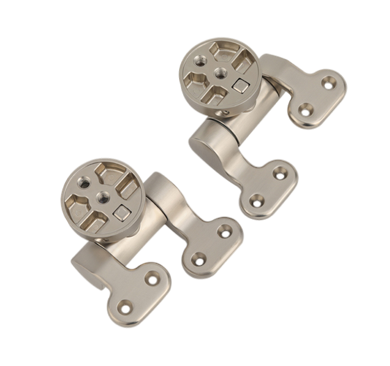
A quality stainless steel toilet seat hinge typically uses Grade 304 stainless steel, which contains approximately 18% chromium and 8% nickel. This composition forms a self-healing passive layer on the surface — when exposed to oxygen, it automatically regenerates its protective barrier. In practical terms, this means stainless steel toilet hinges can withstand decades of exposure to water, humidity, and bathroom cleaning products without rusting or degrading.
This matters especially in:
Bathrooms with poor ventilation
Coastal properties with salt air exposure
Commercial restrooms with heavy daily use
Households in regions with hard water
Most consumer-grade stainless steel toilet seat hinges use 304 stainless, which is more than adequate for residential bathrooms. For marine environments or areas with extremely high chloride exposure, 316-grade stainless adds molybdenum for even greater corrosion resistance. If you're specifying hinges for a beachfront property or a poolside bathroom, 316 is worth the premium.
No plating to wear off: Unlike chrome, stainless steel looks the same even after years of use
Withstands cleaning chemicals: Resistant to bleach, ammonia, and common bathroom cleaners
Holds up to impact: Won't chip or flake when the seat is slammed
Temperature stable: Won't become brittle in cold or soften in heat
Chrome-plated toilet seat hinges are typically made from a base metal (zinc alloy or steel) with a thin electroplated layer of chromium on top. The chrome layer provides the mirror-bright finish that many homeowners associate with clean, modern bathrooms.
Chrome-plated hinges are a reasonable choice when:
Budget is the primary concern
The bathroom is well-ventilated with low humidity
You're doing a quick rental property refresh
Aesthetic consistency with other chrome fixtures is important
The main vulnerability of chrome-plated hinges is that the protective layer is only surface-deep. Once the chrome plating gets scratched, chipped, or begins to wear at friction points (like the hinge pin), the base metal underneath is exposed to moisture and starts corroding rapidly. This is why chrome hinges in high-moisture bathrooms often show rust spots within 2–3 years.
The quality of chrome plating varies significantly between manufacturers. A double-nickel-plated chrome hinge with a thick chromium top layer will last considerably longer than a cheap single-layer chrome finish. Unfortunately, most product listings don't specify plating thickness, making it hard to judge quality from descriptions alone.
While chrome-plated hinges may cost 30–50% less upfront than stainless steel toilet seat hinges, their shorter lifespan often means you'll replace them sooner. Over a 10-year period, the total cost of buying and installing chrome hinges twice may exceed the cost of a single set of stainless steel hinges.
Brass toilet seat hinges occupy the premium end of the market, combining excellent functional performance with a distinctive warm, golden appearance that works beautifully in traditional, Victorian, and luxury bathroom designs.
Brass is an alloy of copper and zinc, and like stainless steel, it offers inherent corrosion resistance rather than relying on a surface coating. A brass toilet seat hinge performs particularly well in environments where other metals might struggle:
Coastal areas with salt-laden air
Older homes with high mineral content in water
Bathrooms where decorative appeal is as important as function
One unique characteristic of brass is that it develops a natural patina over time — a darkening of the surface that many homeowners actually find desirable for its antique character. If you prefer the original golden shine, regular polishing with a brass cleaner will maintain the bright finish. Some brass hinges come with a clear lacquer coating that prevents patina, though this coating can wear off at friction points.
This is a critical distinction that many buyers miss. Solid brass hinges are made entirely from brass alloy and offer the full durability and corrosion resistance the material is known for. Brass-plated hinges use a base metal (usually steel or zinc) with a thin brass coating — and they carry the same vulnerability as chrome-plated hinges once the surface layer wears through.
Always check product specifications for "solid brass" rather than "brass finish" or "brass colored." The price difference is meaningful, but so is the performance gap.
Bathrooms create one of the harshest indoor environments for metal hardware. Daily temperature fluctuations, constant humidity, splashed water, urine exposure, and regular cleaning with chemical products all contribute to accelerated corrosion and wear.
Solid brass — 15 to 30+ years with basic maintenance
Stainless steel (304 grade) — 10 to 20+ years with minimal maintenance
Chrome-plated — 3 to 10 years depending on plating quality and humidity
In commercial settings like hotels, restaurants, and public facilities, stainless steel toilet hinges are the most common specification because they offer the best balance of durability, low maintenance, and cost-effectiveness at scale. Brass is typically reserved for luxury or heritage installations where the aesthetic premium justifies the higher cost.
Understanding the price landscape helps you evaluate whether a higher-priced option is worth the investment for your specific situation.
| Material | Price Range (per pair) | Value Rating |
|---|---|---|
| Chrome-plated | 3–10 | Good for short-term or low-use applications |
| Stainless steel (304) | 8–25 | Best overall value for most homeowners |
| Solid brass | 15–50+ | Premium investment for style-specific projects |
For a rental property you plan to hold for 10 years, spending 6 on chrome hinges that need replacing every 3 years (20 total with three replacements and three installation sessions) costs more than buying stainless steel toilet seat hinges once for $15. Factor in the labor of each replacement, and the economics tilt even further toward the higher-quality option.
Material choice does influence how securely the hinge holds the seat over time, though perhaps not in the way you might expect.
Stainless steel hinges maintain their structural rigidity over time. The hinge pins resist deformation, meaning the seat stays firmly attached without developing wobble.
Brass hinges are similarly rigid but may develop slight wear at the pin over very long periods (20+ years). For residential use, this is rarely a practical concern.
Chrome-plated hinges (usually zinc alloy underneath) are softer and more prone to developing looseness as the hinge pin holes elongate with use.
Brass is the heaviest of the three materials. In most residential installations, this weight difference is negligible. However, on wall-hung toilets or toilets with unusually thin ceramic at the hinge mounting points, the lighter weight of chrome-plated or stainless steel hinges may be preferable to reduce stress on the mounting holes.
Many homeowners wonder whether their toilet seat hinges need to match the metal finish of their faucet, towel bars, and other bathroom hardware.
From a strict interior design standpoint, matching all metal finishes in a bathroom creates visual cohesion. However, mixing metals has become increasingly acceptable and even fashionable in contemporary bathroom design.
Practical recommendation: Since toilet seat hinges are relatively small and partially hidden by the seat itself, they don't need to perfectly match your larger fixtures. Choosing a stainless steel toilet seat hinge for its durability while using brass or chrome finishes elsewhere is a perfectly defensible choice that most designers would support.
What matters more is that the hinge finish doesn't actively clash with nearby visible hardware. A brushed stainless hinge pairs well with both chrome and satin nickel faucets. Polished brass works alongside chrome in traditional settings. The only combination to avoid is mixing warm (brass/gold) and cool (chrome/silver) finishes in very close proximity on similarly sized elements.
The cleaning products you use can significantly impact the lifespan of your toilet seat hinges, and each material responds differently.
Stainless steel is the most forgiving. It handles bleach-based cleaners, ammonia, vinegar solutions, and commercial bathroom cleaners without issue. Avoid steel wool or abrasive powders, which can scratch the surface and create microscopic crevices where grime accumulates.
Chrome-plated hinges require more care. Abrasive cleaners can scratch through the thin chrome layer, and acidic cleaners (like vinegar or lime removal products) can accelerate deterioration of the plating at any existing micro-scratches. Use mild soap and water or non-abrasive bathroom cleaners.
Brass hinges are sensitive to ammonia-based cleaners and overly acidic solutions, which can strip the protective patina or lacquer coating. Warm soapy water or dedicated brass cleaning products are the safest choice. If your brass hinges are unlacquered and you want to maintain the bright finish, a brass polish applied every few months will keep them looking new.
A stainless steel toilet seat hinge offers the best combination of durability, low maintenance, and reasonable cost. It's the recommendation for 80% of residential bathrooms and virtually all commercial applications. You install it once and forget about it for a decade or more.
If your bathroom design calls for warm metallic tones, heritage styling, or you're working with other brass fixtures, solid brass hinges deliver both the aesthetic and the performance. Just be prepared for the higher upfront cost and occasional polishing if you prefer the bright finish.
Chrome-plated hinges serve a purpose when cost is the driving factor or when you need a quick fix. They look good out of the box and perform acceptably in well-ventilated, low-moisture bathrooms. Just set realistic expectations about their lifespan.
Quality 304-grade stainless steel toilet hinges are highly resistant to rust under normal bathroom conditions. They can develop surface staining if exposed to iron particles (from steel wool or iron-rich water) but true rusting is extremely rare. If you notice what looks like rust on stainless steel, it's usually surface contamination that can be removed with a mild abrasive cleaner.
Neither is universally "better." Solid brass offers a warmer aesthetic and slightly better performance in salt-air environments. Stainless steel toilet seat hinges offer better scratch resistance and require less maintenance. For most applications, stainless steel provides better value; brass is the choice when its distinctive appearance is part of your design intent.
With normal residential use, quality hinges should last 10–20 years. Stainless steel toilet hinges and solid brass hinges regularly achieve this lifespan. Chrome-plated hinges typically last 3–7 years before the plating deteriorates and the base metal corrodes.
Yes, in most cases. Hinge dimensions follow common patterns (standard two-post or three-post configurations). When replacing, measure the distance between mounting holes on your toilet bowl and the pin diameter to ensure compatibility. Most stainless steel toilet seat hinge products are designed to fit standard toilet seat configurations.
Choosing the right hinge material comes down to matching the product to your bathroom conditions, design goals, and long-term expectations. For homeowners and specifiers who want reliable performance without repeated replacements, stainless steel is the clear practical choice. For projects where aesthetics carry equal weight to function, brass delivers a premium experience.
Browse the full range of stainless steel toilet seat hinges, plastic toilet seat hinges, and brass toilet seat hinges at Likegro to find the right fit for your next project. For bulk orders, custom specifications, or project quotations, contact the Likegro team directly through the website.
Do you have questions or comments about any of our bathroom hardware & slow close toilet seat? We want to hear from you.
Suite 2206, No. 888 North Sichuan Road, Shanghai, 200080, China